
The Fjord Lawsuit
Naturvernforbundet and Natur og Ungdom are suing the the Norwegian government over the granting of a permit for the dumping of mining waste into Førdefjorden.
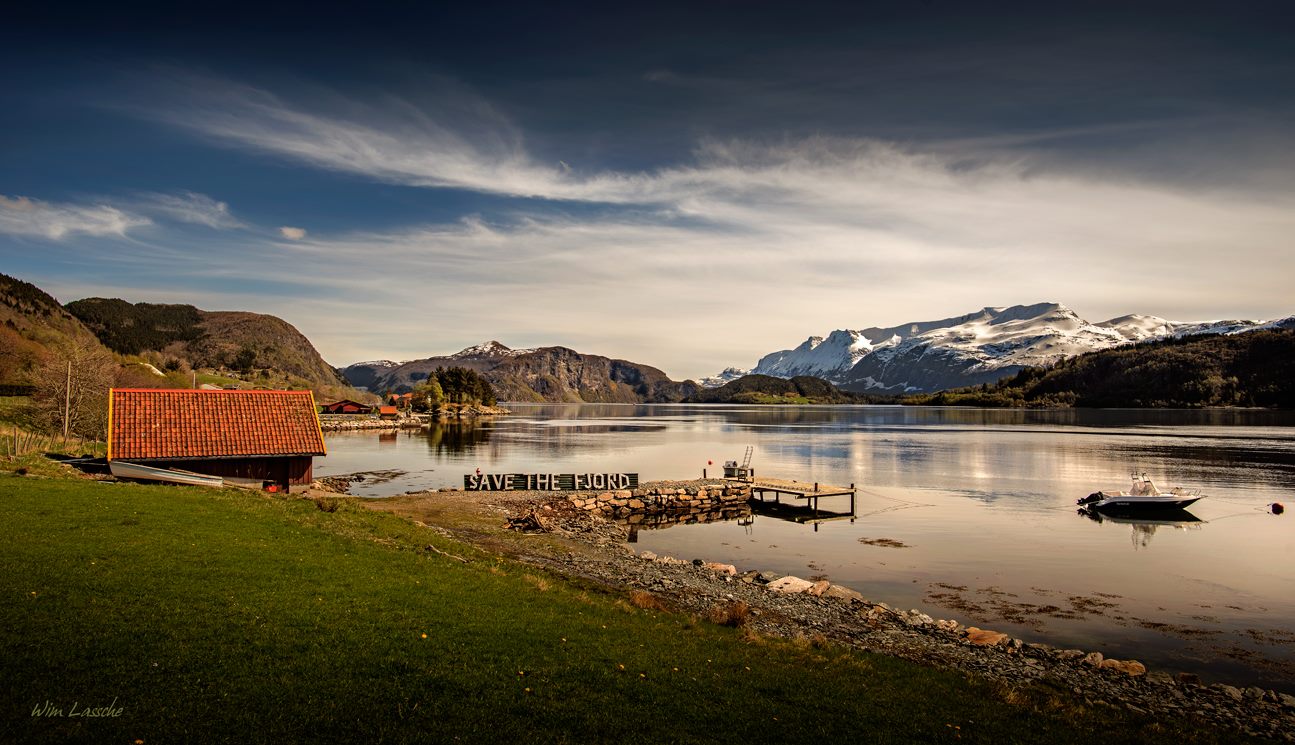
Naturvernforbundet (Norwegian Society for the Conservation of Nature) and Natur og Ungdom believe that the Ministry of Climate and Environment’s permission to dump up to 170 million tons of mining waste into Førdefjorden is a clear violation of the EU Water Framework Directive. The directive states that it is prohibited to pollute a water resource.
The case was heard by the Oslo District Court in September and October 2023. Unfortunately, the environmental organizations did not succeed in the Oslo District Court, but the organizations appealed the case to the Court of Appeal in February 2024.
The mining company Nordic Mining announced in December 2024 that they have started their trial production.
In the fall of 2024, the case was heard by the EFTA Court in Luxembourg. March 5, 2025, the court issued its ruling – it states that economic considerations are not a good enough reason to allow pollution of a fjord like Førdefjorden. The opinion from the EFTA Court was important when the case came to the Court of Appeal in June 2025. In August the organizations won the lawsuit when the Court of Appeal ruled that the permits for mining operations with sea tailings disposal in the Førdefjord are invalid.
The Norwegian Government appealed the case to the Supreme Court, and the case was heard in April/May 2026. The Supreme Court will decide whether the permits are valid, as well as address broader, principled questions about where the threshold lies for allowing pollution of fjords, lakes and rivers i EU and EEA countries. We expect a judgement during June.
A few days before the hearing in the Supreme Court, EFTAs Surveillance Authority (ESA) sent a letter of formal notice to Norway concerning the incorrect and incomplete implementation and application of Article 4(7) of the Water Framework Directive.
Documents in English
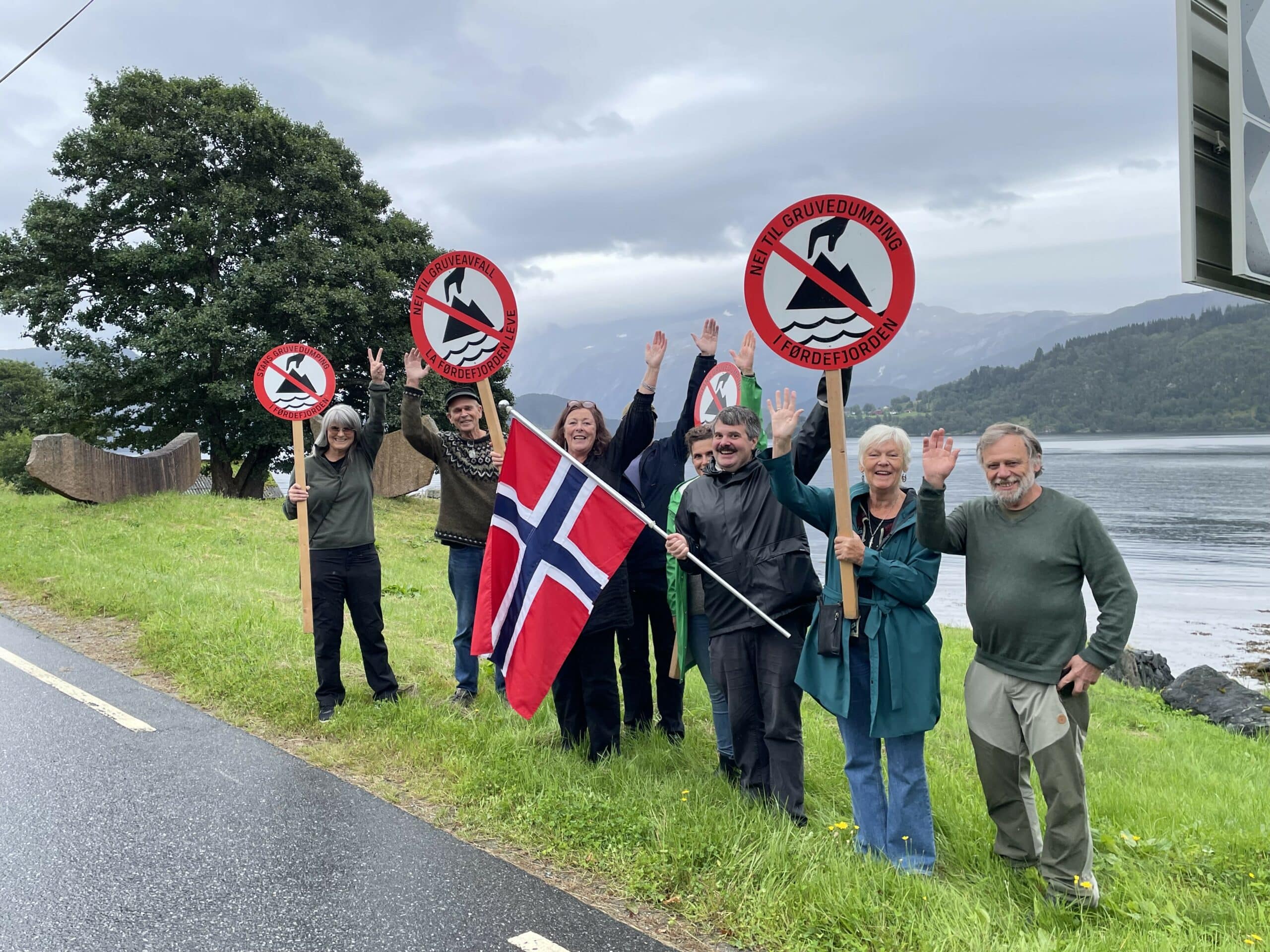
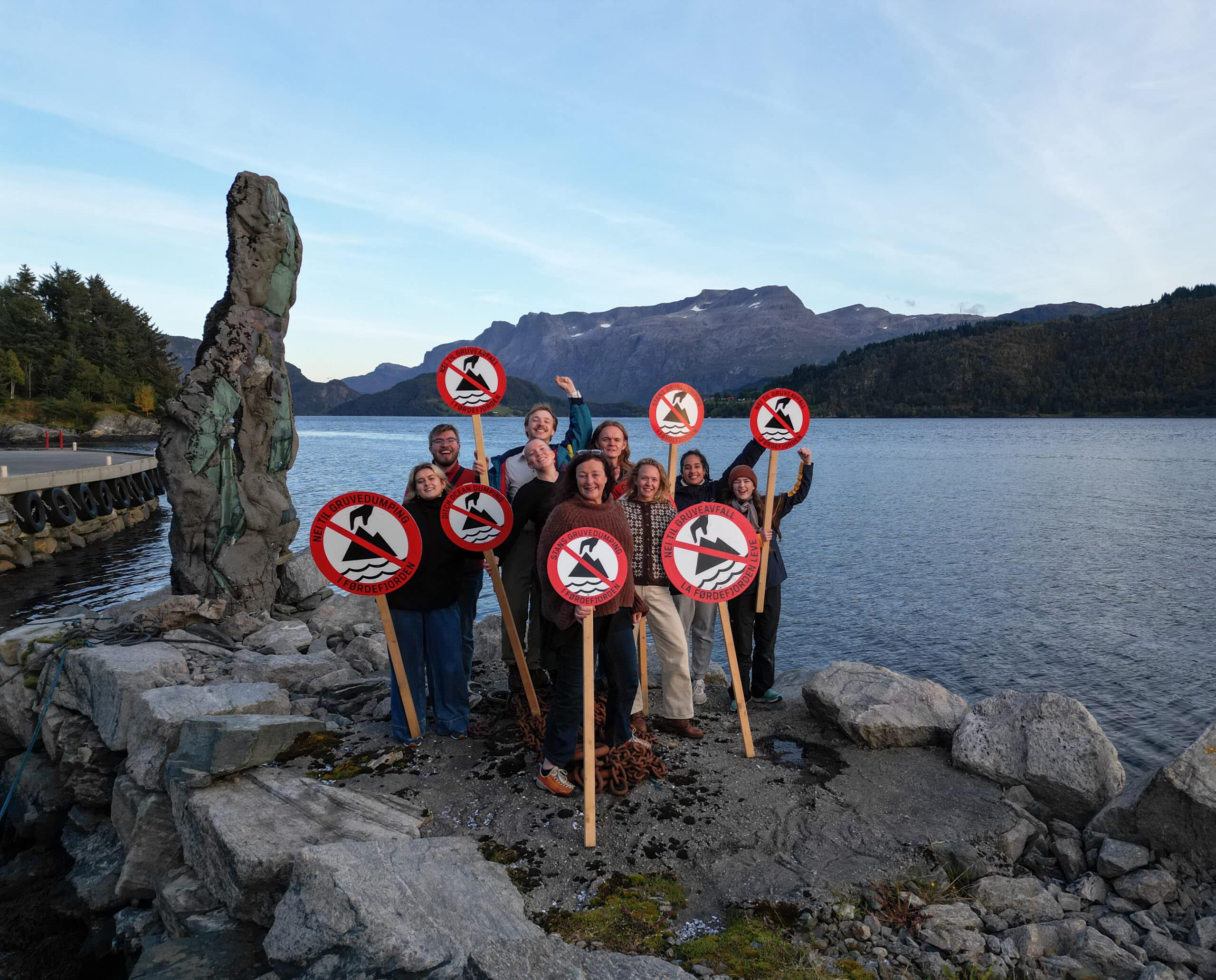

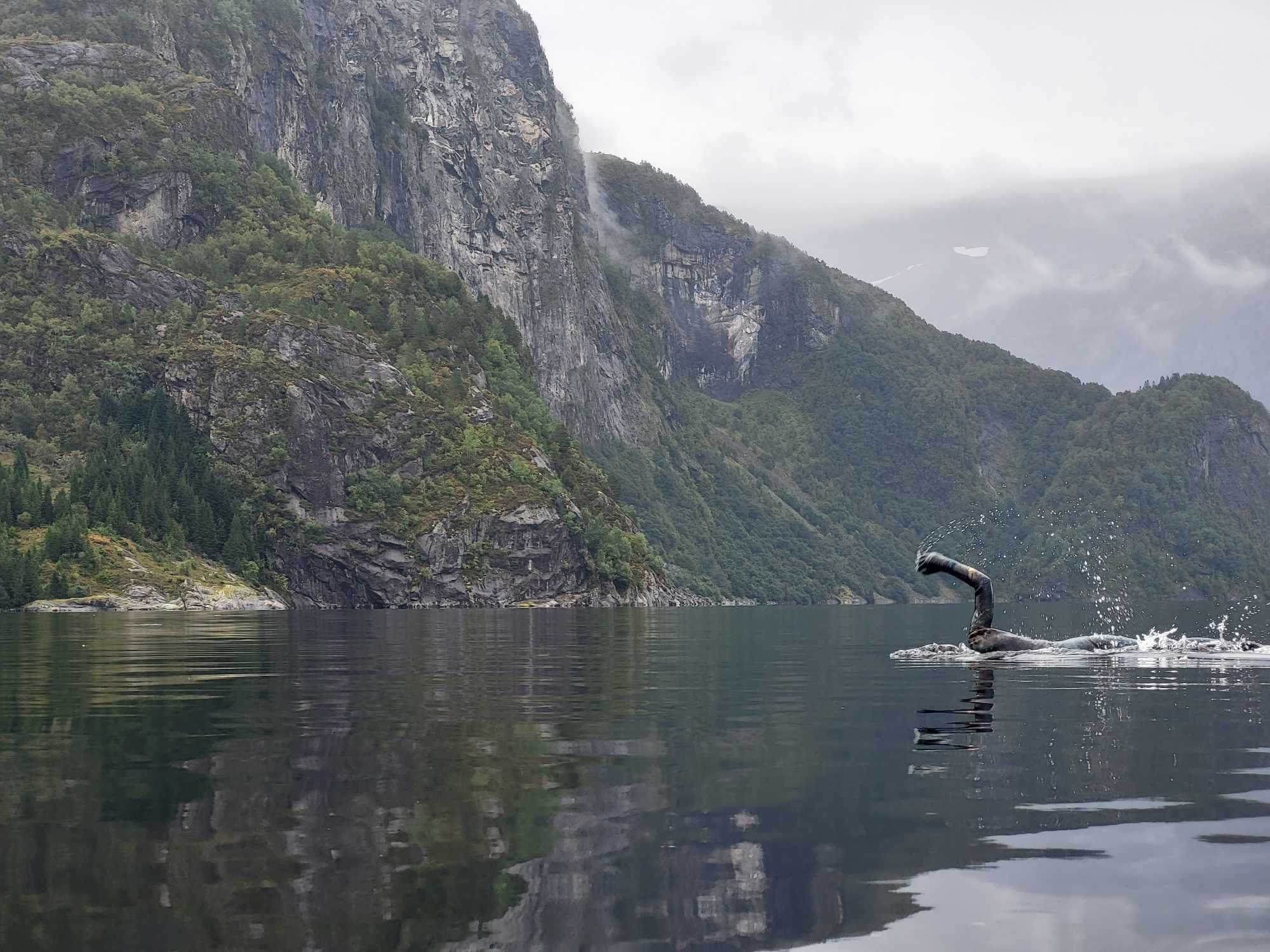
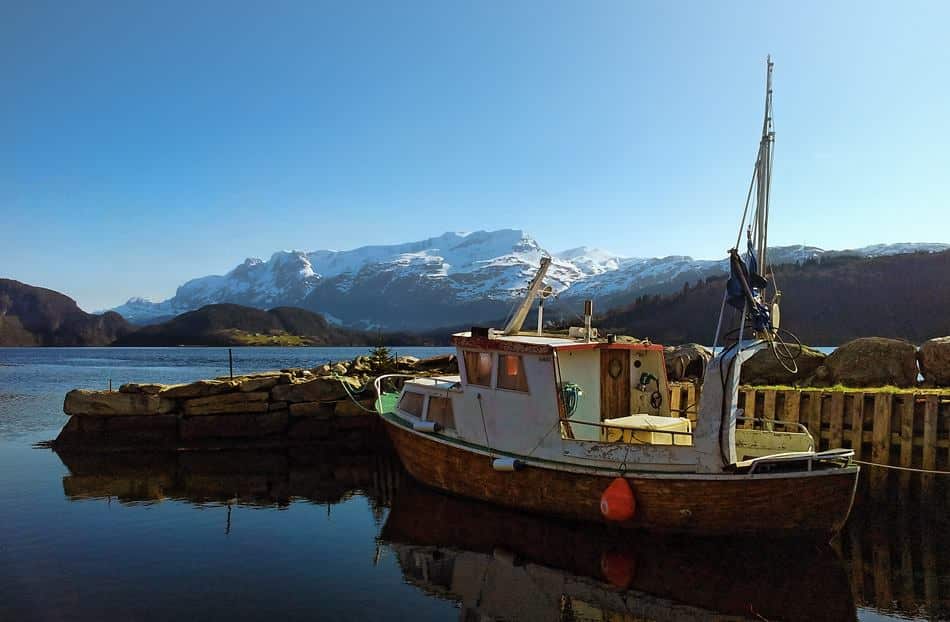
This is the case
- The mining company Nordic Mining will extract rutile and garnet from an open pit mine in Engebøfjellet. Rutile is used to produce titanium dioxide.
- The mine waste will contain large amounts of finely ground rock, pollutants, microplastics and chemicals.
- The dumping of mining waste will kill all life in the landfill area and could have a severe impact on life in the fjord.
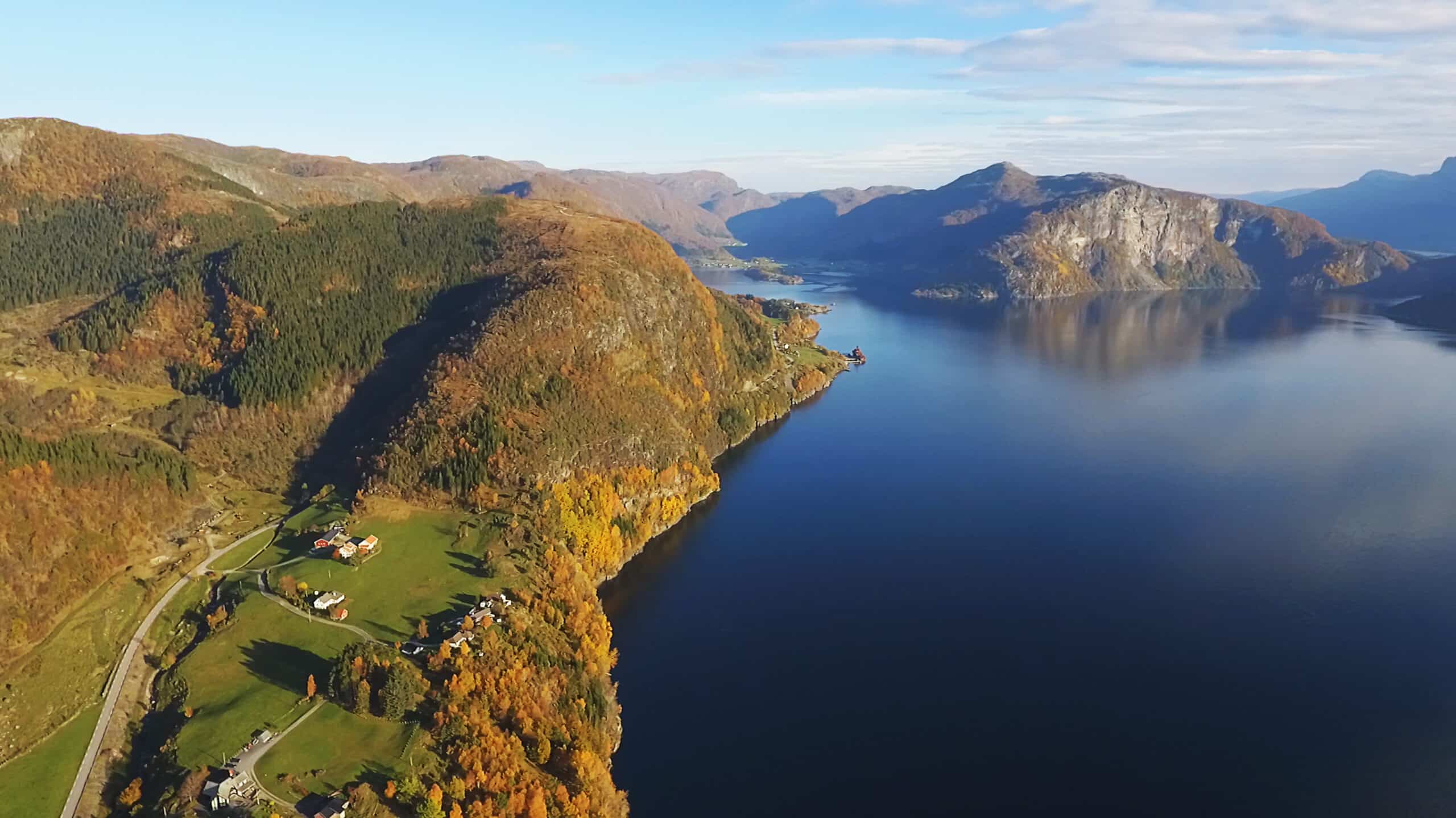
- Førdefjorden is a healthy fjord with a great diversity of species.
- Four salmon-bearing rivers flow into the fjord. In addition, Førdefjorden is a national salmon fjord, and should therefore have special protection.
- Norway is one of very few countries in the world that still allows dumping of mining waste in the sea. There are only two countries worldwide that allow new projects with dumping of mining waste in the sea, Norway and Papua New Guinea.
The lawsuit
- In 2022, Naturvernforbundet and Natur og Ungdom sued the Norwegian Government over the granting of permits for the dumping of 170 million tons of mining waste into Førdefjorden.
- The Lawsuit was heard in the Oslo district Court in 2023. The Distict Court ruled the permits to be valid.
- The environmental organisations appealed the case to the court of Appeal in February 2024.
- In the autumn of 2024, the case was heard in the EFTA Court in Luxembourg. March 5, 2025, the court ruled in favour of the environmental organisations.
- The case was heard by the Court of Appeal in June 2025. In August the organizations won the lawsuit when the court ruled that the permits are invalid.
- The Norwegian Government appealed the case, which was heard by the Supreme Court in April/May 2026.
Key reasons why Naturvernforbundet and Natur og Ungdom are suing the state:
- The mining company has received all important permits; there are no more administrative appeal options.
- The mining company has not sufficiently investigated how the project can be designed in a way that provides maximum waste minimization and avoids the need for submarine tailings disposal.
- The European Free Trade Association (EFTA) Surveillance Authority has identified several shortcomings in the Norwegian transposition of the EU Mining Waste Directive and the EU Water Framework Directive.
- There are several indications that the submarine tailings disposal is unnecessary and thus illegal according to the Norwegian Pollution Act.
- Sufficient legal protection for nature depends on the courts hearing cases on questionable administrative decisions that have an impact on the environment.